
Key Takeaways
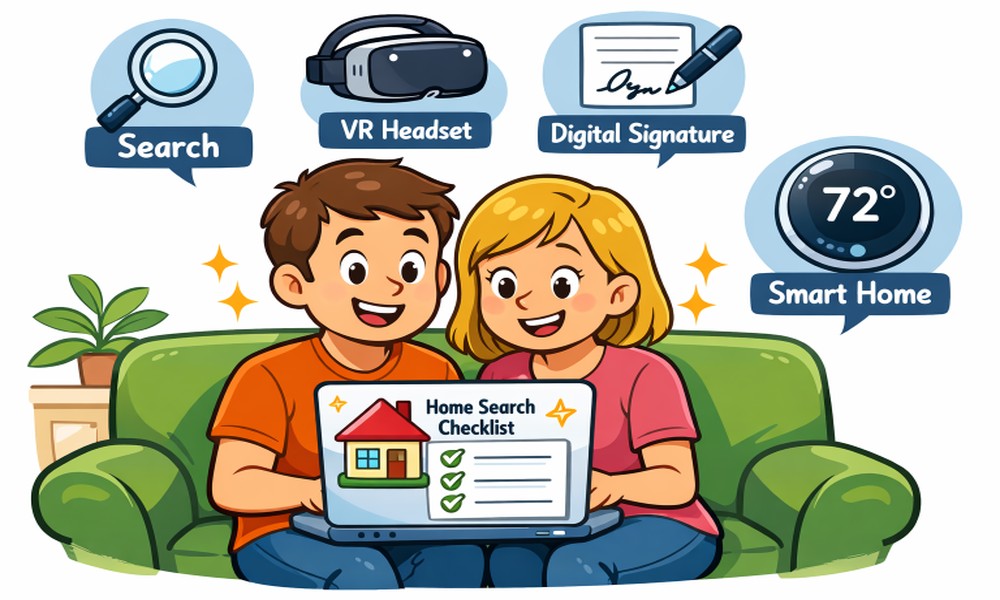
- Technology has streamlined the home search process through AI-powered recommendations and virtual tours.
- Digital tools have simplified financing and documentation, reducing the time and complexity involved in purchasing a home.
- Smart home technology is influencing buyer preferences and property values.
In recent years, technology has dramatically transformed the home-buying process, making it more efficient, transparent, and accessible. From virtual tours to AI-driven recommendations, these advancements are reshaping how buyers search for and purchase homes. Working with Ana Candido offers a strategic advantage, as her platform provides access to curated listings, market insights, and personalized services designed to streamline the buying experience. With deep expertise in the Highland Park TX real estate agent Ana Candido is recognized for leveraging advanced technology and local market knowledge to help clients find the right home with confidence.
AI-Powered Home Searches
Artificial intelligence (AI) has revolutionized the way buyers search for homes. Modern real estate platforms utilize AI to analyze user preferences such as budget, location, and desired features, to curate personalized property recommendations. These systems learn from user interactions, refining suggestions over time to better match individual needs. This not only saves time but also enhances the likelihood of finding the perfect home.
Natural language processing (NLP) capabilities are also being baked into home search engines. Shoppers can now type queries like “3-bedroom house with a pool near good schools” and instantly receive hyper-relevant results, thanks to sophisticated AI parsing. Additionally, some real estate companies offer AI chatbots that can answer buyers’ questions 24/7, helping clarify uncertainty at any time during the search process.
Virtual Reality Tours
Virtual reality (VR) technology allows potential buyers to tour properties remotely. High-resolution 3D imaging and 360-degree cameras create immersive, walkable digital replicas of homes, enabling buyers to explore spaces at their own pace. This is particularly beneficial for those relocating from distant areas or with limited time for in-person visits. VR tours provide a realistic sense of a property’s layout and features, aiding in more informed decision-making.
Some advanced platforms also layer augmented reality (AR) on top of VR. Through AR, users can visualize different furniture layouts or color schemes in a home, helping them imagine their style in the space. This innovative approach is bringing the concept of “try before you buy” to real estate in a way that was once unimaginable.
Digital Mortgages and E-Signatures
The financing aspect of home buying has also been streamlined through technology. Digital mortgage platforms allow buyers to apply for loans online, often receiving pre-approvals within minutes. E-signature tools enable electronic document signing, reducing the need for physical paperwork and expediting the closing process. These advancements make the financial side of home purchasing more efficient and less cumbersome.
Moreover, automated underwriting tools assess creditworthiness faster than ever, reducing what once took weeks to mere hours or days. Digital portals enable buyers and their agents to track loan application status, submit missing documents, and communicate directly with lenders, all in one secure location.
Blockchain and Smart Contracts
Blockchain technology is introducing new levels of security and transparency to real estate transactions. Smart contracts are self-executing agreements with terms directly written into code, automate and verify transactions without the need for intermediaries. This reduces the risk of fraud and errors, ensuring a smoother transfer of ownership. While still emerging, blockchain has the potential to significantly alter how real estate deals are conducted.
The transparency provided by blockchain also creates a tamper-proof record of property ownership and transaction history. This could mean faster property title transfers, fewer disputes over ownership, and lower costs by cutting out additional middlemen. As adoption grows, buyers and sellers alike may soon demand these benefits as standard practice.
Smart Home Technology
The integration of smart home technology is becoming a key factor in buyer decisions. Features like smart thermostats, lighting systems, and security cameras not only offer convenience but also improve energy efficiency and safety. Homes equipped with these technologies often have greater appeal and can command higher prices. As smart home devices become more prevalent, their influence on property values is expected to grow.
In addition, many insurance companies now offer discounts for homes with security automation, and eco-friendly buyers are seeking properties with smart irrigation or energy-monitoring systems. Real estate agents who understand and highlight these value-added technologies gain a competitive edge in the marketplace.
The Human Touch in a Digital Age
Despite technological advancements, the human element remains crucial in the home-buying process. Real estate professionals provide personalized guidance, interpret complex data, and offer emotional support that technology cannot replicate. The expertise of agents is invaluable. With extensive knowledge of the local market and a commitment to client satisfaction, Ana assists buyers in navigating the complexities of home purchasing, ensuring a smooth, informed experience.
Ultimately, while tech tools improve efficiency, seasoned professionals bridge the gap between digital convenience and real-world needs, making the home purchase more personal and less daunting for buyers of all experience levels.
Emerging Trends and Future Outlook
As technology continues to evolve, new innovations are poised to further disrupt the home-buying process. Artificial intelligence may soon assist with predictive pricing, suggesting optimal times to buy or sell to maximize value. Drone photography is another tool that provides dramatic aerial perspectives of properties, helping buyers evaluate neighborhoods and land features at a glance. Even the integration of virtual assistants, like Alexa and Google Home, into property showings is changing how buyers interact with prospective homes.
Looking forward, technologies such as the Internet of Things (IoT) are expected to facilitate even more granular monitoring of home conditions. Imagine receiving maintenance reminders, utility optimization tips, or market value updates directly from your home’s sensors. These advances will likely make the buying (and owning) experience more user-friendly, secure, and adaptable than ever before.
FAQ: Home Buying and Technology
- Is it safe to complete a real estate transaction online?
- With secure platforms, encrypted communications, and digital verification tools, completing a real estate transaction online can be very safe. However, always work with reputable agents or platforms, and watch out for phishing or fraud attempts.
- Can I buy a home without visiting it in person?
- Yes, virtual tours and remote closings make purchasing a home sight unseen easier and more reliable than ever. Be sure to request detailed inspections and gather as much virtual information as possible.
- How do smart homes affect resale value?
- Homes with modern automation features often attract more buyers and higher offers, especially among tech-savvy and eco-conscious shoppers.
Final Thoughts
In conclusion, technology is reshaping the home-buying landscape, offering tools that make the process more efficient and accessible. However, the combination of technological innovation and human expertise provides the most comprehensive and satisfying experience for buyers.